
Introduction
Teething can present significant challenges for both babies and their parents. Around three months of age, infants may start showing initial signs of teething, leading to discomfort and irritability. The right teether can provide much-needed relief, stimulate your baby’s senses, and support oral development. In this comprehensive guide, we identify key features to look for in a teether and present our top picks for 2024 to help soothe your baby’s teething discomfort effectively.
Understanding Teething in 3-Month-Olds
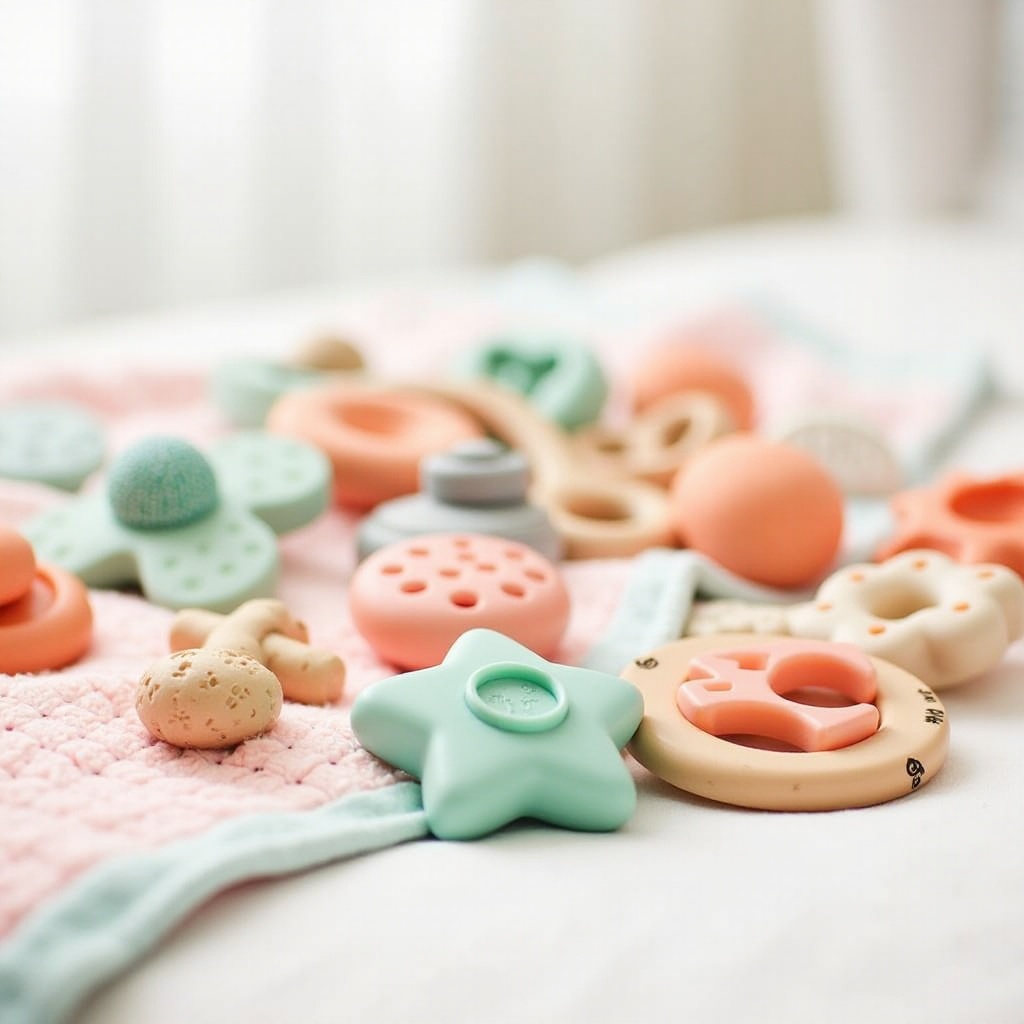
Not all infants begin teething at the same age, but many three-month-olds start to display signs of teething such as increased drooling, chewing on hands or toys, and general irritability. Recognizing these symptoms can be crucial for timely intervention. Teething toys or teethers offer a safe outlet for babies to relieve gum discomfort while providing an essential stimulus for oral exploration.
Understanding the early signs and mechanics of teething better equips parents to make informed decisions about suitable teethers. Additionally, teething usually coincides with significant oral development stages, thus choosing the right tools can positively impact growth.
Key Features to Look for in a Baby Teether
Parents should consider several essential features when selecting a teether to ensure safety, comfort, and functionality.
- Safety Standards and Materials: Prioritize teethers crafted from non-toxic, BPA-free materials. Check for safety certifications, such as ASTM or CPSC. Choose appropriately sized teethers to prevent choking hazards.
- Design and Ease of Use: Opt for teethers designed for small hands to grasp easily. Look for products with handles or loops that facilitate secure holding. Lightweight options are preferable for ease of use.
- Textures and Firmness: Varied textures provide different sensations beneficial for soothing gums. While some babies prefer softer silicone, others might find firmer rubber more soothing. Multi-textured teethers offer versatility and keep babies engaged.
These considerations are pivotal in assessing the available options, ensuring that the chosen teether matches your baby’s specific preferences and developmental needs effectively.
Top 5 Teethers for 3-Month-Old Babies
Below are our top picks for the best teethers for three-month-old babies in 2024:
- Best Silicone Teether: Silicone teethers are celebrated for their softness and safety. ‘Silky Soothers’ provides vibrant, BPA-free options adored by babies.
- Top Natural Rubber Teether: For eco-friendly families, natural rubber teethers such as ‘Nature Nipples’ are sustainable and safe choices.
- Most Affordable Teether: ‘Budget Bites’ offers an economically friendly yet quality-driven option without compromising safety standards.
- Best Multi-Textured Option: ‘Tactile Treats’ merges various textures into one teether, making it superb for sensory development.
- Editor’s Choice: Innovative Design: ‘Curiosity Chews’ delivers a dual-purpose teether that combines chewing relief with auditory stimulation as a subtle rattle.
By selecting from these recommended options, you are ensuring comprehensive care and enjoyment during your baby’s teething phase.
Pacifiers vs. Teethers: When to Use Each
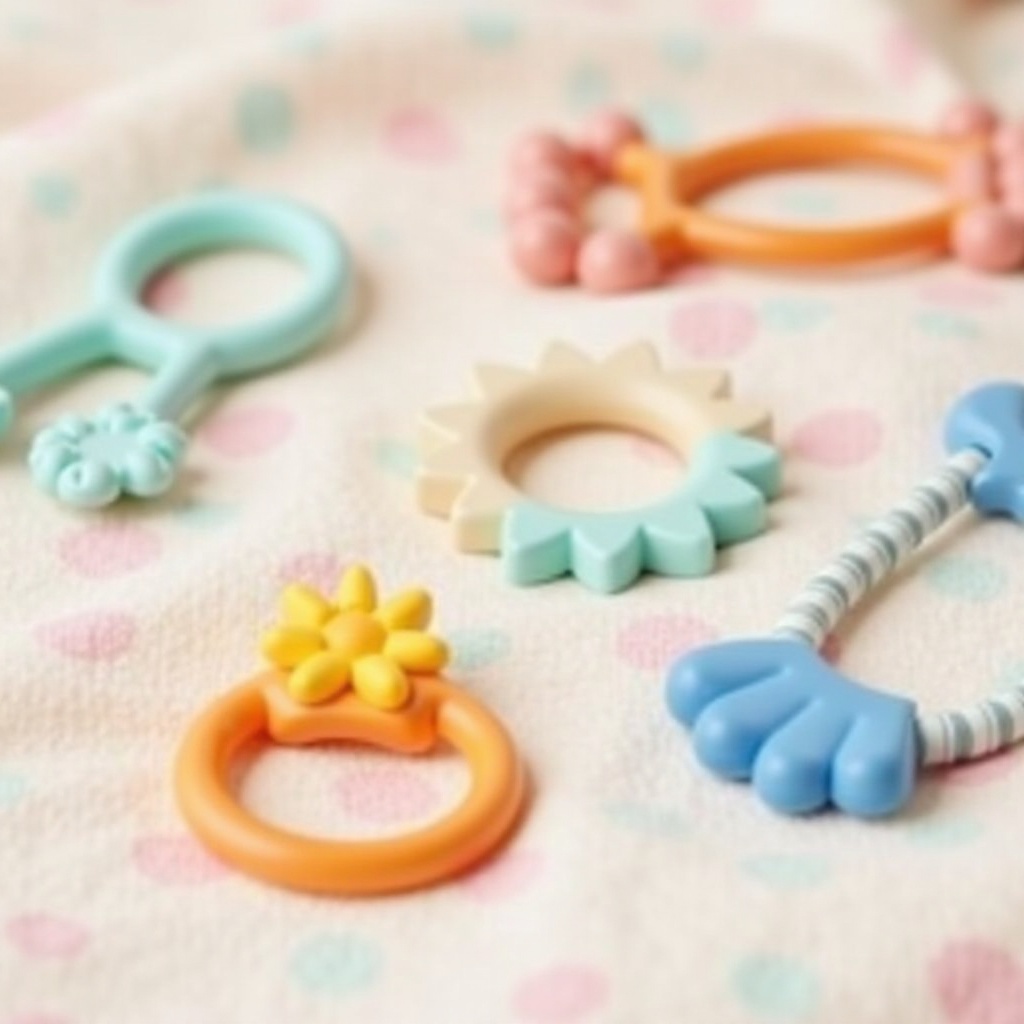
Pacifiers and teethers serve distinct, yet complementary roles. Understanding when to use each can optimize teething comfort.
- Benefits of Pacifiers: Pacifiers chiefly provide emotional comfort by satisfying babies’ natural sucking reflexes. They are particularly effective for soothing at bedtime or in unsettling situations.
- When to Introduce Teethers: Introduce teethers upon observing early teething signs. These are purpose-built for chewing and gum relief, offering a physical outlet distinct from pacifier offerings.
Together, pacifiers and teethers cover a broad spectrum of soothing needs, ensuring your child remains comfortable throughout developmental transitions.
Maintaining and Cleaning Teethers
Hygiene plays a vital role in keeping baby products safe and clean. Proper maintenance of teethers involves straightforward care steps:
- Regularly wash teethers with warm, soapy water before rinsing thoroughly.
- Depending on the material, some teethers may be dishwasher-safe; always refer to manufacturer instructions first.
- Occasionally, sterilize silicone teethers using boiling water to eliminate bacterial build-up effectively.
Consistent cleaning helps guarantee that your baby’s teether remains in a safe, hygienic condition for continual use.
Conclusion
Selecting the best teether for a three-month-old involves careful consideration of safety, functionality, and sensory engagement. An informed choice leads to effective soothing and supports your baby through this important developmental stage successfully.
Frequently Asked Questions
Can a 3-month-old use a teether?
Yes, a 3-month-old can safely use a teether when showing signs of teething. Choose a design suitable for early teething stages.
How do I clean baby teethers safely?
Clean them with warm soapy water and rinse thoroughly. Some teethers are dishwashers safe; always check the manufacturer’s care instructions.
What are signs my baby is ready for a teether?
Signs include drooling, chewing on hands or toys, and increased irritability; these suggest readiness for a teether.