
Introduction
Selecting the ideal bottle for a breastfed baby is crucial for a smooth feeding experience. The right bottle can ease the transition between breast and bottle, improving both your and your baby’s overall feeding routine. With a wide variety of bottles available, knowing which features to prioritize can make all the difference. This article explores these features, highlights the top bottle choices for 2024, and explains the importance of bottle warmers in maintaining an effective feeding schedule.
Key Features of Bottles for Breastfed Babies
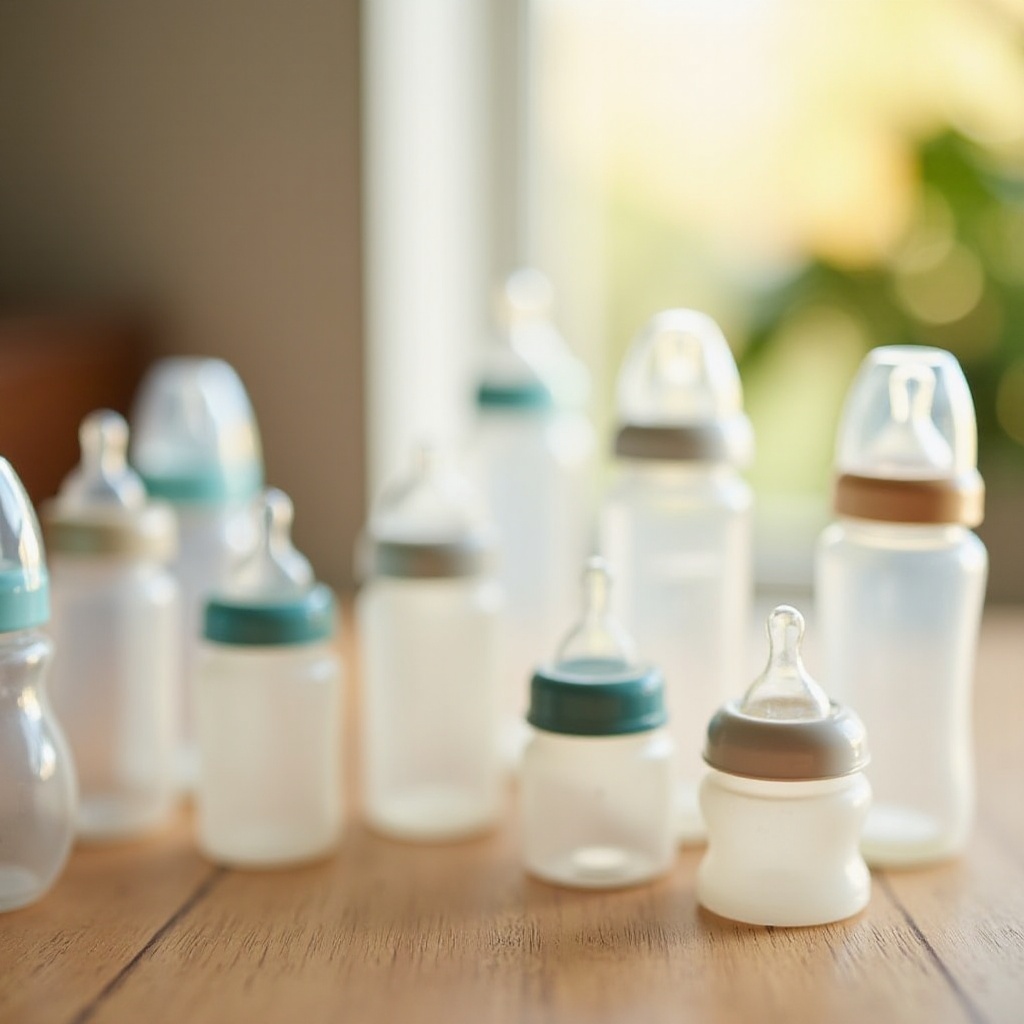
Choosing a bottle designed with breastfeeding in mind can significantly enhance the feeding process. The first key feature to consider is the nipple design and flow rate. Opt for a nipple that closely mimics the breast’s shape, providing a slow flow to prevent nipple confusion. A wide base and flexible nipple often encourage a more natural latch.
Additionally, consider the material and safety of the bottle. BPA-free materials are essential for your baby’s health. While plastic bottles offer convenience, glass bottles provide peace of mind due to their durability and chemical-free nature.
Finally, look for anti-colic and venting features. These details help minimize air intake during feeding, reducing discomfort from gas and colic. Integrated vent systems or bottles designed for air-free feeding are excellent choices to keep your baby comfortable.
Armed with this understanding, you can better assess the top recommended bottles for breastfed babies in 2024.
Top Recommended Bottles for Breastfed Babies in 2024
With the essential features in mind, consider these top bottle choices for 2024:
-
Brand X: This bottle features a wide-neck design and a soft, flexible nipple that mimics breastfeeding. Its anti-colic venting system effectively reduces gas, ensuring a calm feeding experience.
-
Brand Y: Made from high-quality borosilicate glass, this bottle prioritizes both purity and durability. Its advanced venting system minimizes colic symptoms, making it a favorite among parents.
-
Brand Z: Known for its air-free feeding system, this bottle ensures consistent milk flow without bubbles. This design significantly reduces issues such as spit-up and burping, enhancing feeding comfort.
Understanding these options allows parents to choose the best fit. Next, let’s explore how bottle warmers can complement these bottles.
The Role of Bottle & Food Warmers in Breastfeeding
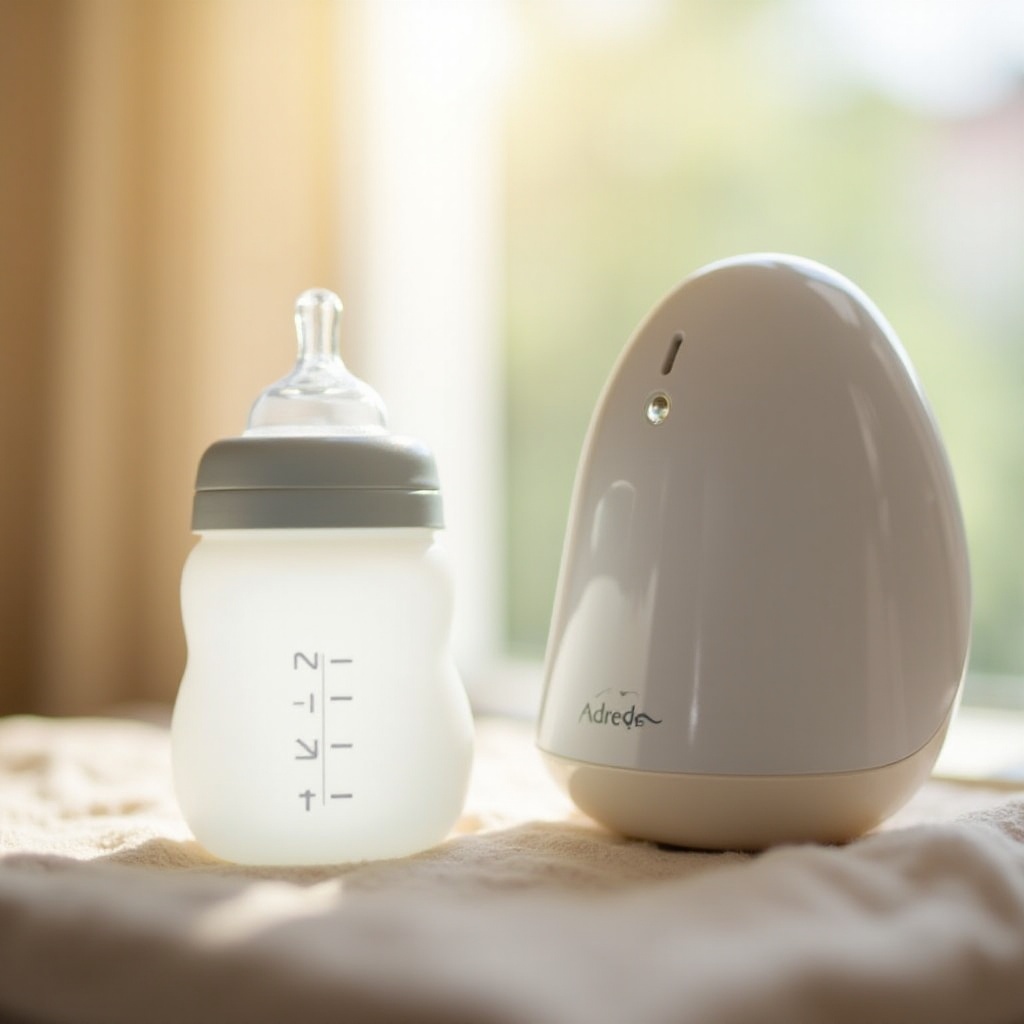
Bottle warmers play a key role in supporting a seamless feeding experience for both parent and child. Primarily, they ensure breast milk is warmed to the perfect temperature, preserving crucial nutrients without overheating.
The benefits of using a bottle warmer include consistent, even warming of the milk, eliminating hot spots that could potentially harm your baby. Also, many bottle warmers double as food warmers, offering versatility and convenience for busy parents.
When selecting a bottle warmer, consider features like warming speed, temperature control, and compatibility with your chosen bottles. These factors can streamline feedings and facilitate smoother transitions between breast and bottle.
Tips for Transitioning from Breast to Bottle
Transitioning from breastfeeding to bottle-feeding requires patience and care. Here are some strategies to aid this process:
-
Start Gradually: Introduce the bottle during one feeding session per day, then gradually increase as your baby adjusts.
-
Prevent Nipple Confusion: Choose bottles with nipples that replicate the shape and feel of the breast, minimizing confusion for your baby.
By following these strategies, your baby can smoothly adapt to the new feeding routine, maintaining comfort and consistency.

Maintaining a Balanced Feeding Routine
Once you’ve successfully integrated bottle-feeding, it’s essential to develop a balanced feeding routine. A well-organized schedule helps accommodate both breastfeeding and bottle-feeding, ensuring your baby receives the nutrition they need.
- Recognize Hunger Cues: Learn to read your baby’s signals to know when to switch between breastfeeding and bottle-feeding.
- Regularly Warm Bottles: Consistently maintain ideal milk temperatures using a reliable bottle warmer for the best feeding experience.
- Communicate with Caregivers: Ensure anyone involved in feeding understands and follows your established routine.
Adopting these practices will help maintain a smooth, balanced feeding experience, providing nourishment and comfort to your baby.
Conclusion
Selecting the right bottle for a breastfed baby involves considering crucial features, such as nipple design, material safety, and anti-colic properties. Complemented by a high-quality bottle warmer, these can significantly enhance your baby’s feeding experience. With the right tools and techniques, you can ensure your baby is well-nourished and comfortable throughout feedings.
Frequently Asked Questions
Can you use any bottle for breastfed babies?
No, it’s best to use bottles designed to mimic the breast to prevent nipple confusion and facilitate a smooth transition.
How do I prevent nipple confusion?
Use bottles with nipples that resemble the breast’s shape and texture and introduce the bottle gradually.
What’s the best way to clean bottles for breastfed infants?
Wash thoroughly with warm soapy water or a dishwasher. Ensure all parts are rinsed and dried to maintain hygiene.