
Introduction
Speaker stands do more than just support your audio equipment; they are crucial for optimizing sound quality and enhancing the aesthetics of your space. Choosing the right stands can significantly elevate your listening experience by ensuring your speakers perform optimally.
Understanding speaker stands is essential for anyone serious about audio quality. Whether you’re an audiophile or a casual listener, the right stands are a smart investment.
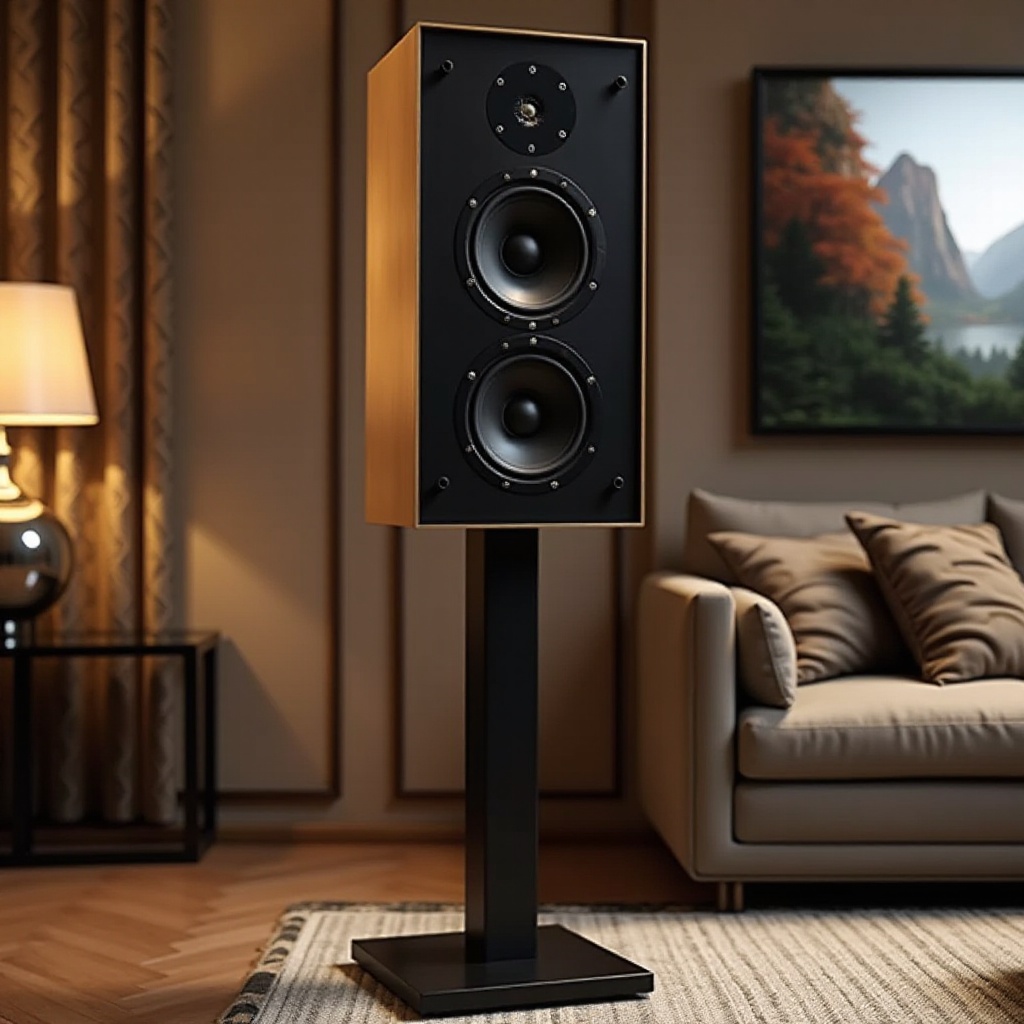
Understanding Speaker Stands
Speaker stands are designed to hold and elevate speakers, improving their ability to project sound. By positioning speakers at the ideal height, stands ensure sound clarity and direction.
- Definition and Purpose: Speaker stands securely hold speakers in place, minimizing vibration and enhancing sound projection.
- Benefits of Using Speaker Stands: They improve audio directionality and reduce unwanted vibrations, contributing to a cleaner sound.
Speaker stands provide crucial support that helps speakers deliver their maximum potential without interference from surrounding factors.
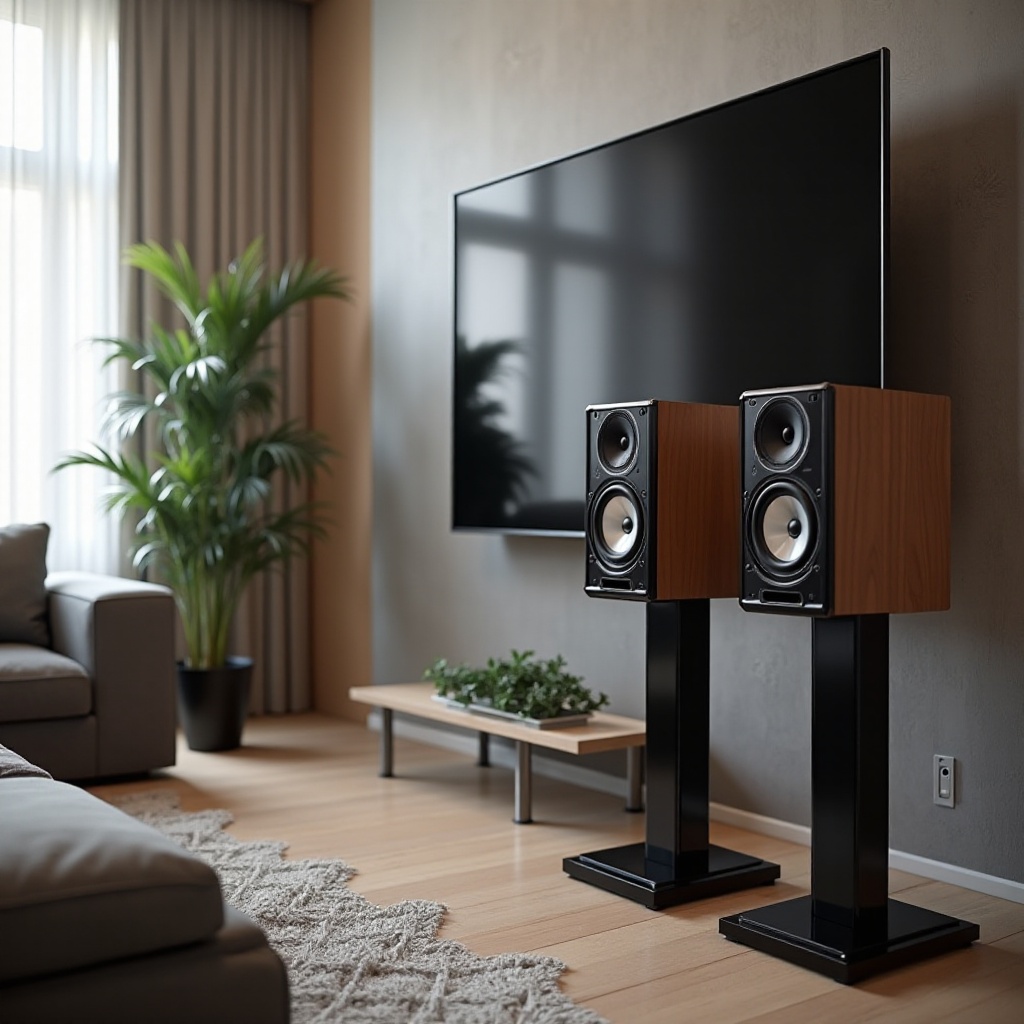
Key Features of Speaker Stands for Large Speakers
Selecting the right features in speaker stands is crucial for enhancing their performance:
- Stability and Weight Capacity: Ensure the stands can securely support the speakers’ weight.
- Material Choices and Their Impact: Different materials like wood, metal, and glass offer varying benefits in terms of sound quality and aesthetics.
- Height and Adjustability: Stands should allow for height adjustments to align speakers with ear level.
Considering these features helps in choosing stands that harmonize with your setup and elevate your audio experience.
How to Choose the Right Speaker Stands
Selecting the best speaker stands requires evaluating your specific needs:
- Assessing Room Acoustics: Understand the acoustics of your space to determine the ideal placement and height.
- Evaluating Speaker Size and Weight: Choose stands that are compatible with your speaker’s dimensions.
- Aesthetic and Compatibility Considerations: Ensure the stands match your decor and personal style.
These factors contribute to a seamless integration of the stands into your living space, enhancing both functionality and appearance.
Setting Up Your Speaker Stands for Optimal Performance
Proper setup is essential for maximizing the benefits of your speaker stands:
- Placement Tips: Position the stands to avoid reflections and aim them toward the primary listening area.
- Cable Management Best Practices: Use covers or ties to manage cables neatly, improving safety and visual appeal.
With the right setup, your speakers can deliver sound as intended, providing a fuller and more immersive experience.
Top Speaker Stand Brands and Reviews
Selecting the right brand can enhance your sound setup through quality and design:
- Comparing Leading Brands: Brands like Sanus, Kanto, and Pangea offer a diverse range that caters to various tastes and budgets.
- Real User Testimonials: Customer feedback highlights the practical benefits and design features of these stands.
By exploring reputable brands, you can find a product that matches your needs and adds value to your audio setup.
DIY vs. Professional Speaker Stands: What to Consider
When deciding between DIY and professional stands:
- Pros and Cons of DIY Solutions: DIY can be a cost-effective and customizable option but may require significant effort and expertise.
Careful consideration will help you make an informed choice that suits your skills and preferences, ensuring safety and functionality.
Conclusion
Investing in quality speaker stands is key to enhancing your audio environment. The right stands contribute to optimal sound quality and elevate your room’s aesthetics. Choose wisely to enjoy an enriched audio experience that you’ll appreciate every time you listen.
Frequently Asked Questions
What is the ideal height for speaker stands?
The ideal height places the speaker’s tweeter at ear level when seated, typically around 36 inches.
Can I use bookshelf speaker stands for large speakers?
While it’s possible, it’s not recommended unless the stands are specifically designed to support the size and weight of large speakers.
How can I reduce vibrations from my speaker stands?
To minimize vibrations, use isolation pads or spikes which can enhance sound clarity and reduce interference.