
Introduction
Business laptops are indispensable tools in the professional world. Crafted to support complex tasks and maintain security, they’re designed for performance and reliability. Whether you work remotely or in an office, understanding the unique features of business laptops can help you choose the right tool for your job. In this article, we’ll explore what makes a business laptop distinct, the key features to look for, and which models lead the market in 2024.
Defining a Business Laptop
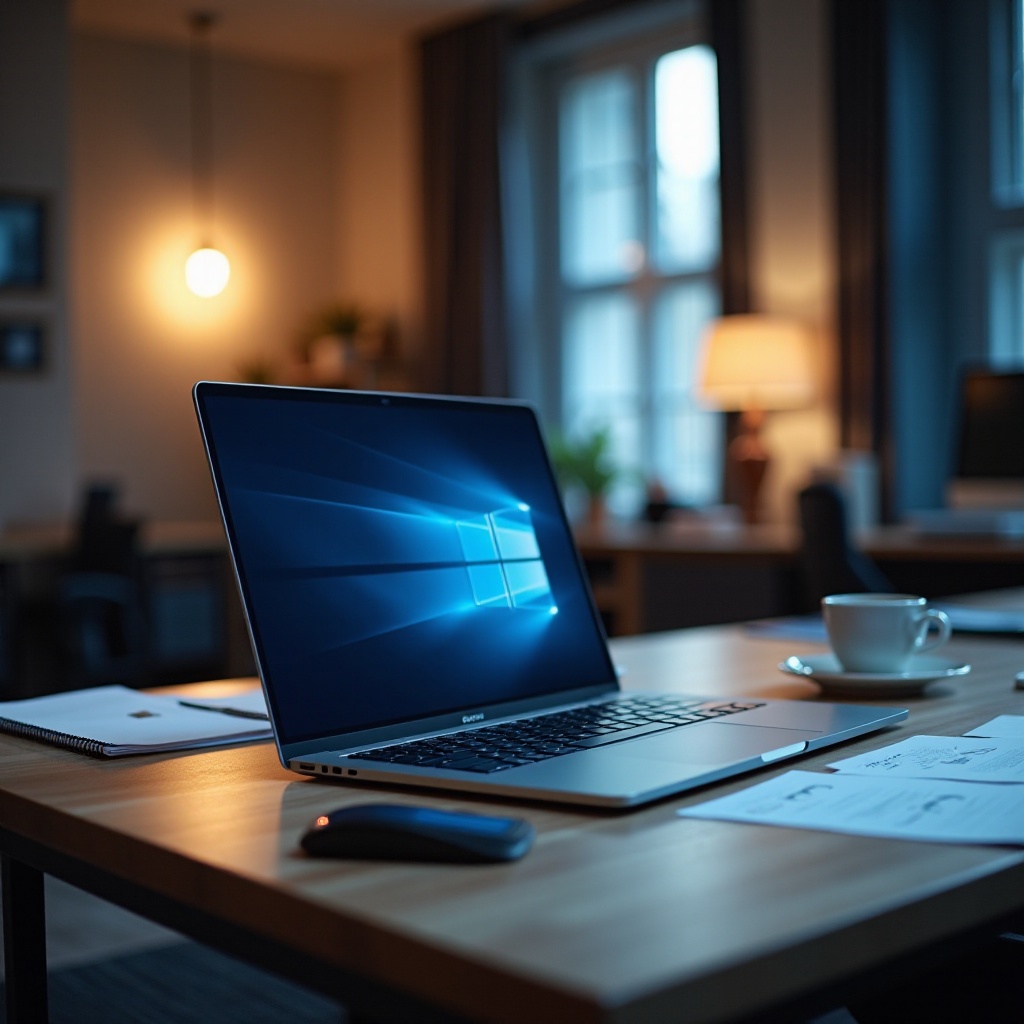
Unlike consumer laptops that focus on leisure and general use, business laptops are tailored for work efficiency. They incorporate robust hardware, offer secure data protection, and feature long-lasting batteries. These laptops are vital for professionals needing reliable machines to handle complex applications without compromising data security. Their focus on security and performance sets them apart and underscores the importance of selecting a laptop that aligns with your professional needs.

Key Features of Business Laptops
-
Performance and Processor Specifications
Business laptops are built for heavy-duty tasks and sustained performance. They include high-performance processors like Intel Core i5 or i7 and AMD Ryzen counterparts to ensure fast processing and multitasking capabilities. -
RAM and Storage Requirements
For smooth operation, business laptops usually come with at least 8GB of RAM, with 16GB recommended for more demanding tasks. Solid-state drives (SSDs) enhance data access speeds, reliability, and the overall efficiency of the laptop. -
Security Features for Businesses
Security is a critical component. Business laptops offer biometric logins, like fingerprint readers, TPM chips, and advanced encryption to safeguard sensitive information against unauthorized access and breaches.
Understanding these key features allows users to recognize the value in investing in a business laptop that meets specific needs and operational demands, reducing risks and enhancing productivity in the process.
Business Laptops vs. Consumer Laptops: What’s the Difference?
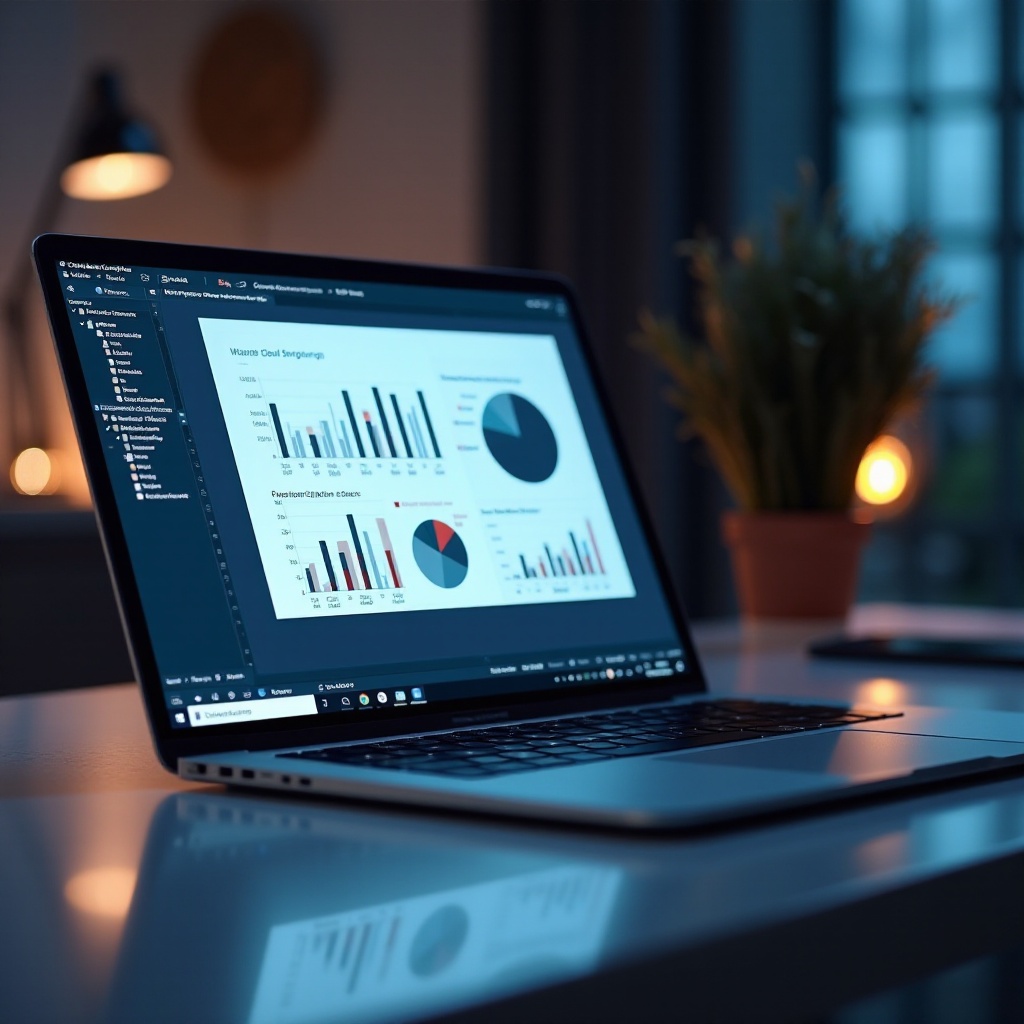
Consumer laptops typically enhance multimedia enjoyment and everyday tasks, whereas business laptops focus on stability, security, and efficiency. While consumer laptops may offer vibrant displays and advanced audio systems, business laptops prioritize durability, featuring spill-resistant keyboards and tougher chassis. By focusing on what each type brings to the table, users can make informed choices about which suits their work life best and why opting for a business-centric solution might provide significant benefits in the long run.
Essential Specifications to Consider When Buying
-
Battery Life and Portability
For professionals on the move, laptops with extensive battery life—typically between 8-10 hours—are invaluable. Lightweight design is crucial for portability, ensuring comfort during travel without sacrificing performance. -
Display Quality and Size
A 14 or 15-inch screen with Full HD resolution offers ample space for multitasking and clear, crisp visuals, reducing eye strain during prolonged use. -
Connectivity Options and Ports
Diverse connectivity options are essential. Look for laptops with multiple USB ports, HDMI, Ethernet connections, and Thunderbolt-enabled USB-C for advanced connection needs. Equipped with versatile ports ensures you’re prepared for any meeting or presentation scenario.
These specifications help shape the practical use and valuations of business laptops, clarifying their importance in maximizing user productivity and technological efficiency.
Top Brands and Models for 2024
-
Comparison of Leading Brands
Lenovo ThinkPad, HP EliteBook, and Dell Latitude continue to dominate the business laptop sector, trusted for their performance, durability, and excellent customer support. -
Price Range and Value Considerations
Business laptops generally run from $1,000 to upwards of $2,500, depending on advanced features and quality. Investing in a premium model can lead to better longevity, fewer repairs, and superior tech support, ultimately justifying the initial cost.
Highlighting these brands and their offerings provides potential buyers a comprehensive view for making cost-effective purchases that align with their needs, ensuring the right balance between technology, longevity, and budgetary considerations.
Conclusion
A business laptop is more than an expense; it’s an investment in your productivity and data security. Understanding its unique features and aligning these with your professional requirements ensures that you select a device that will serve well over the years. Choose wisely to enhance your workflow and safeguard your data with confidence.
Frequently Asked Questions
What is the primary difference between a business and a regular laptop?
Business laptops emphasize durability, security, and performance, while regular laptops are more focused on entertainment and general use.
Are business laptops more expensive than regular ones?
Yes, generally, because they incorporate advanced features and robust security, which contribute to higher costs but provide long-term savings.
Can a business laptop be used for personal purposes?
Yes, while they are optimized for work, business laptops can handle personal tasks like browsing and streaming effectively.